How Often Should You Take Chess Lessons?
Weekly lessons can be a useful starting point, but the right frequency depends on what you need and what you can do between sessions. Learn how to choose and review a sustainable coaching schedule.
Adult chess lessons can begin with the rules, a return after years away or questions from your recent games. Learn how to identify your starting point and make coaching useful.
Chess Lessons for Adults: A Guide for Beginners and Returning Players Read Post »
Learn how to prepare for your first private chess lesson, share useful games and questions, and leave an initial assessment with a practical next step.
What to Expect from Your First Private Chess Lesson Read Post »
The hourly rate is only part of a chess lesson budget. Learn how to compare session lengths, calculate monthly costs and evaluate packages before booking.
How Much Do Private Chess Lessons Cost? A Practical Guide to Your Budget Read Post »
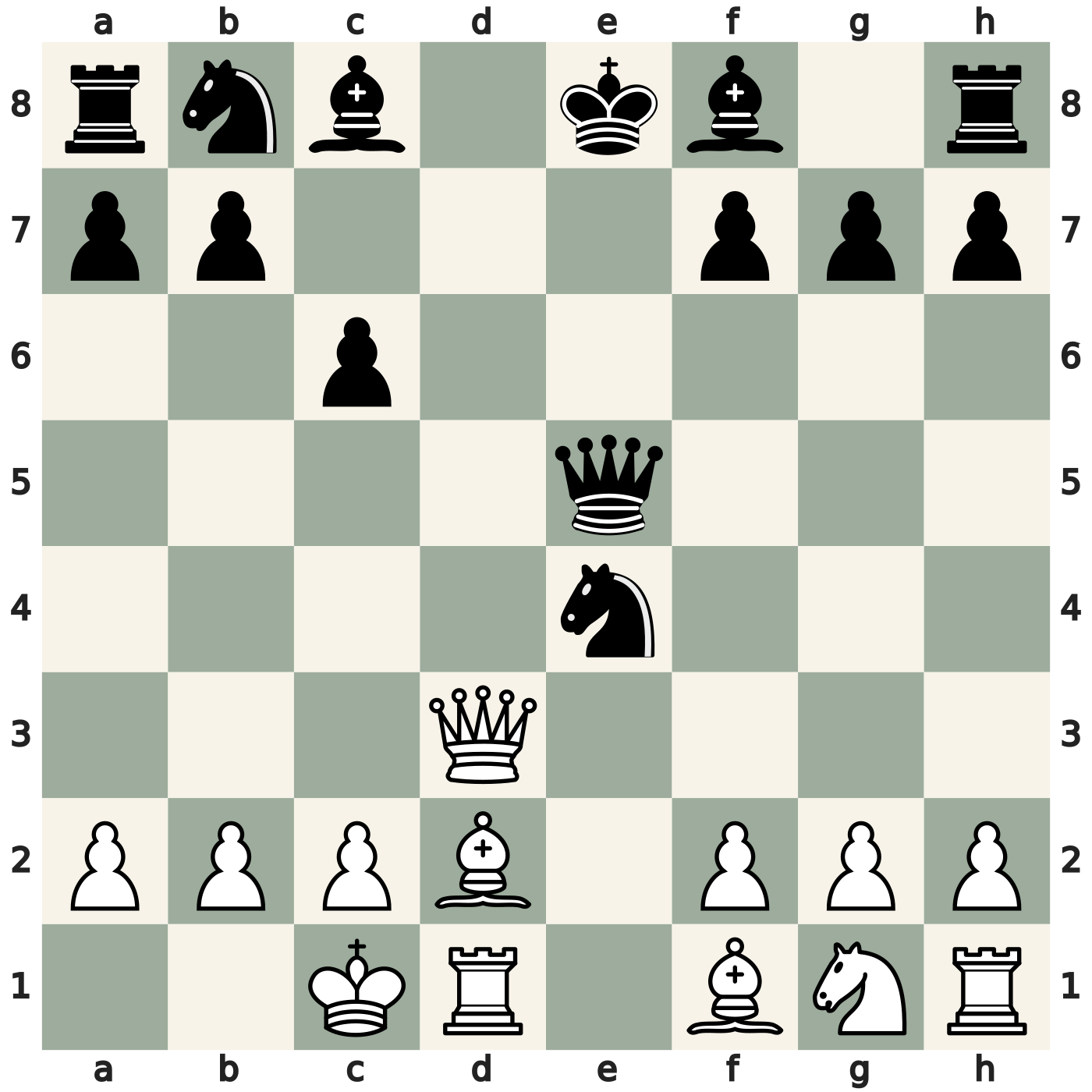
Learn the main chess tactical ideas through clear definitions and 16 diagrams. GM Ulvi Bajarani explains double attacks, pins, skewers, discovered attacks, clearance and more, with practical cues for finding them in your games.
Learn how to solve chess puzzles with a structured candidate-move search, careful calculation and review. GM Ulvi Bajarani explains the method through three exercises, defensive alternatives and a practical training routine.
How to Solve Chess Puzzles and Improve Your Calculation Read Post »
Learn how to record chess moves and positions using algebraic notation, scoresheets, PGN, diagrams, ASCII boards and FEN. Compare each format through a consistent example, understand special moves, and build reliable recording habits.
Learn how to organize a chess tournament in the United States, from choosing a venue and building a budget to securing sponsorship, exploring nonprofit grants, and meeting US Chess and FIDE requirements. This practical guide also covers financing without sponsors, registration, prizes, tournament-day operations, and post-event reporting.
Compare chess time controls across US Chess, FIDE, Lichess and Chess.com. Explore increments, delays, up to four stages, and a separate planning estimate.
Learn how to get your first FIDE rating in the United States, from requesting a FIDE ID and choosing a rated tournament to counting qualifying games and checking publication.
How to Get Your First FIDE Rating in the United States Read Post »
Optional analytics helps us understand website visits and successful inquiry submissions. You can accept or reject it. Your choice will not prevent you from contacting us or opening lesson bookings.
Necessary: always available, including saving your choice.
Advertising: off. Meta and Google Ads website integrations are paused.